ai-agent
Links
Notas
In LangChain, an AI agent is a system that utilizes a Large Language Model (LLM) as its reasoning engine to determine and execute a sequence of actions. These actions are typically performed by interacting with various "Tools."
Key aspects of LangChain AI agents:
LLM as the Brain:
The core of a LangChain agent is an LLM, which processes natural language instructions, analyzes the context, and decides which actions to take.
Tools for Functionality:
Agents interact with "Tools," which are essentially functions or interfaces that extend the agent's capabilities. Examples of tools include web search engines, calculators, APIs, or custom functions to access databases.
Decision-Making and Execution:
The LLM, based on the input and available tools, decides which tool to use, what input to provide to that tool, and then executes the action. The results of these actions can be fed back into the LLM for further reasoning and action planning.
Iterative Process:
Agents can operate in an iterative loop, where they take an action, observe the results, and then decide on the next action until a task is completed or an answer is found.
Framework for Development:
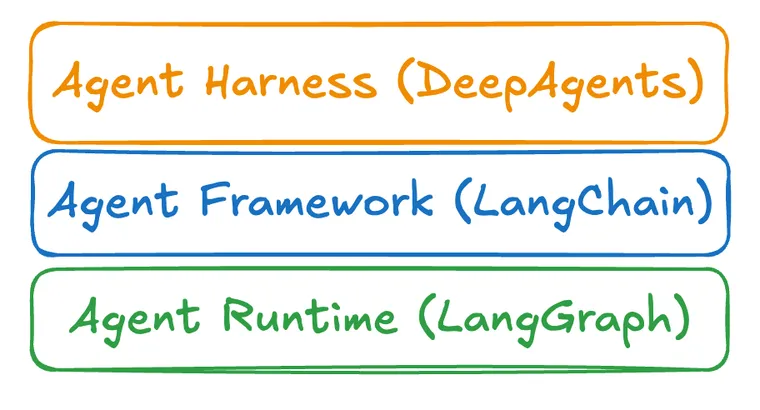
LangChain provides a structured framework and components to build, connect, and manage these agents, making it easier to integrate LLMs with external data sources and functionalities.
Agent Types:
LangChain supports different agent types, such as the create_openai_tools_agent which leverages OpenAI's function calling capabilities for robust tool selection, or agents built with LangGraph for more complex control flows.